A spice doesn't begin its journey in your kitchen.
It begins much earlier—
in the soil, under the climate, and on the farm where it is grown.
The flavor, aroma, color, and overall character of a spice can be influenced long before it is cleaned, processed, packed, or opened in your kitchen.
So what actually determines that quality?
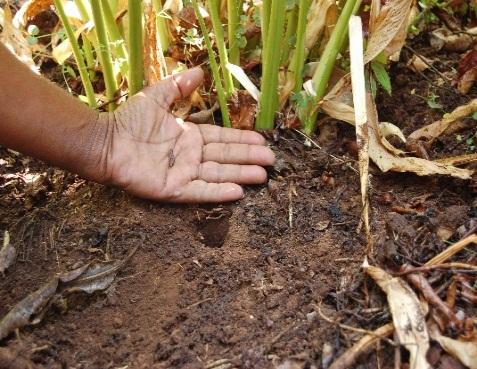
It Starts With the Soil
Soil is more than just where a plant grows.
It provides the plant with:
- Water
- Minerals
- Nutrients
- Organic matter
- Physical support
But different spices need different growing conditions.
The right combination of soil structure, moisture, drainage and nutrients allows a spice plant to develop properly.
This doesn't mean that "more nutrients = better spice."
What matters is whether the growing environment is suited to that particular crop.
Climate Shapes the Spice
Temperature, rainfall, humidity and sunlight all influence how a plant grows.
And because different spices grow in very different environments, their character can vary with their growing conditions.
Climate can influence:
- Plant growth
- Flowering and fruit development
- Seed formation
- Maturity
- Essential oils
- Aroma and flavor
For example, black pepper thrives in warm, humid growing environments, while seed spices such as cumin perform better under comparatively dry and cooler conditions during important stages of development.
The environment becomes part of the spice's story.
Why Does This Affect Aroma?
Many spices contain essential oils and other aromatic compounds responsible for their characteristic smell and flavor.
Growing conditions can influence the development and composition of these compounds. That is one reason why spices from different regions can have noticeably different characteristics—even when they are the same spice.
This is also why origin matters. But origin is only the beginning.
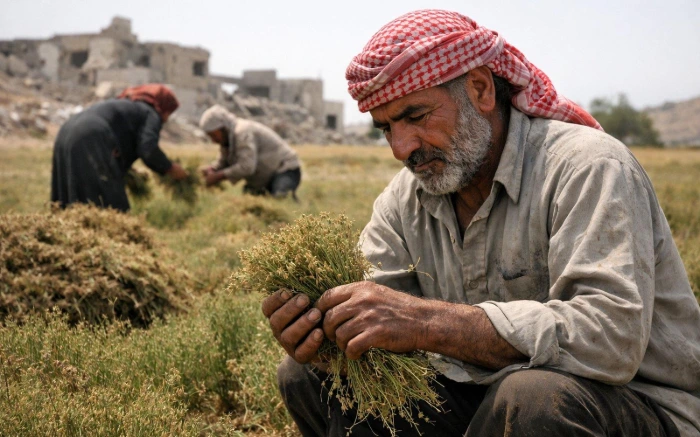
Harvesting at the Right Time Matters
A spice can be grown in excellent conditions and still lose quality if it isn't harvested at the right stage.
Different spices have different signs of maturity.
For example:
Cumin
Seeds are harvested when the plant reaches maturity and begins drying.
Black Pepper
The berries are harvested at a specific stage depending on the desired final product.
Cardamom
Harvesting is generally done when the capsules have reached the appropriate maturity but before they become overripe.
Harvest too early, and the spice may not have developed its full characteristics.
Harvest too late, and quality can also be affected.
Timing matters.
The Journey Doesn't End at Harvest
Harvesting is only one step.
After that comes:
Harvest → Cleaning → Drying → Storage → Processing → Packaging
Every stage matters.
Poor drying can leave excess moisture.
Poor storage can expose spices to humidity, heat, light or contamination.
Improper handling can affect aroma, color and overall quality.
So when we talk about a high-quality spice, we're not talking about just where it was grown. We're talking about how carefully its quality was preserved throughout the journey.
Does a Famous Origin Guarantee Better Spices?
Not necessarily.
A region may be particularly well suited to growing a certain spice because of its soil, climate, altitude or agricultural traditions.
But origin alone doesn't guarantee quality.
A good growing environment still needs:
- Proper harvesting
- Careful drying
- Clean handling
- Appropriate storage
- Responsible processing
In simple terms:
Good origin provides the foundation.
Good handling preserves it.
What This Means for You
The next time you open a jar of spice, remember that you're looking at the final stage of a much longer journey.
The soil helped the plant grow.
The climate shaped its development.
The farmer decided when it was ready.
And everything after harvest determined how much of that original character eventually reached your kitchen.
At By Sāra Origins, we believe that understanding where a spice comes from is an important part of understanding the spice itself.
Because purity doesn't begin with the packaging.
It begins at the source.
From Earth to Essence.